
Dedicated to celebrating wombats, sharing knowledge, and promoting conservation so future generations never lose these remarkable Australian marsupials.
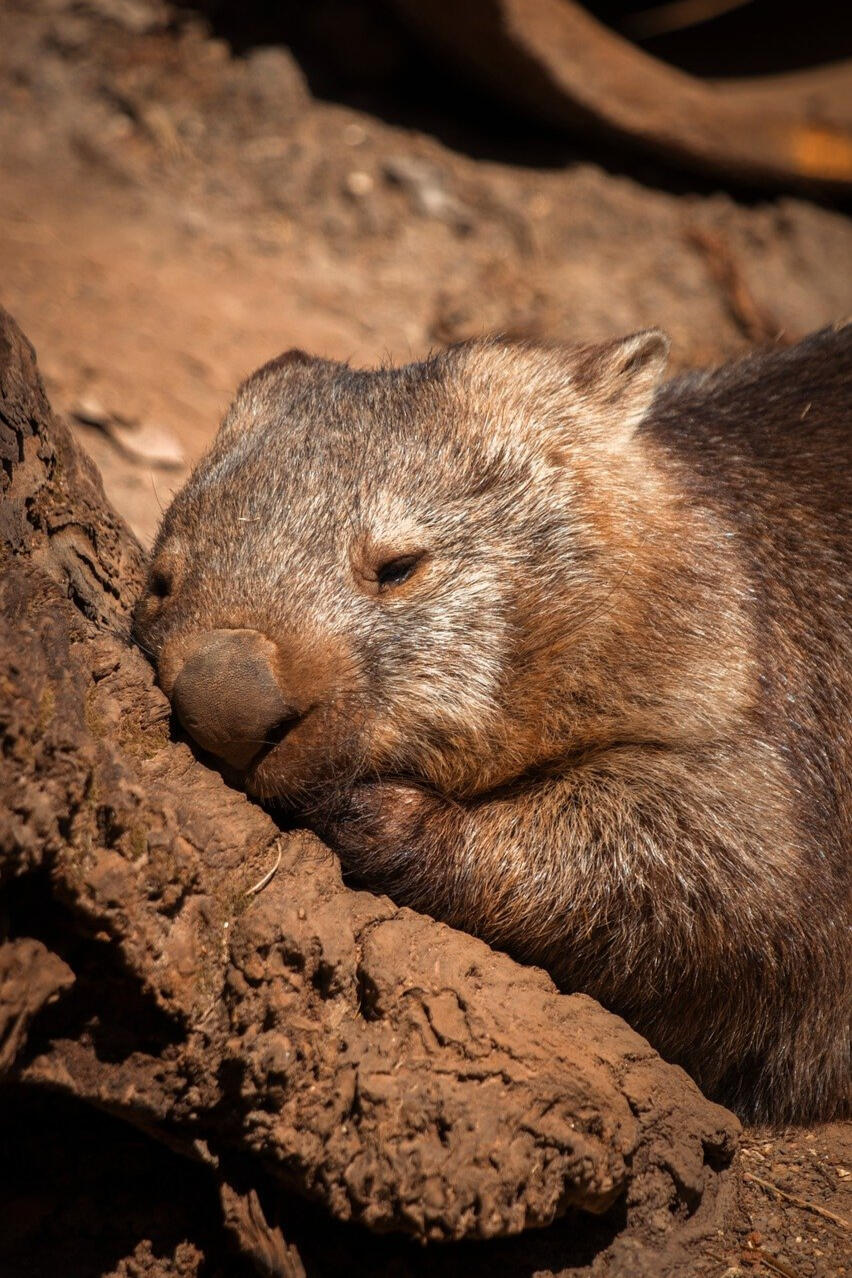
Key Facts About Wombats
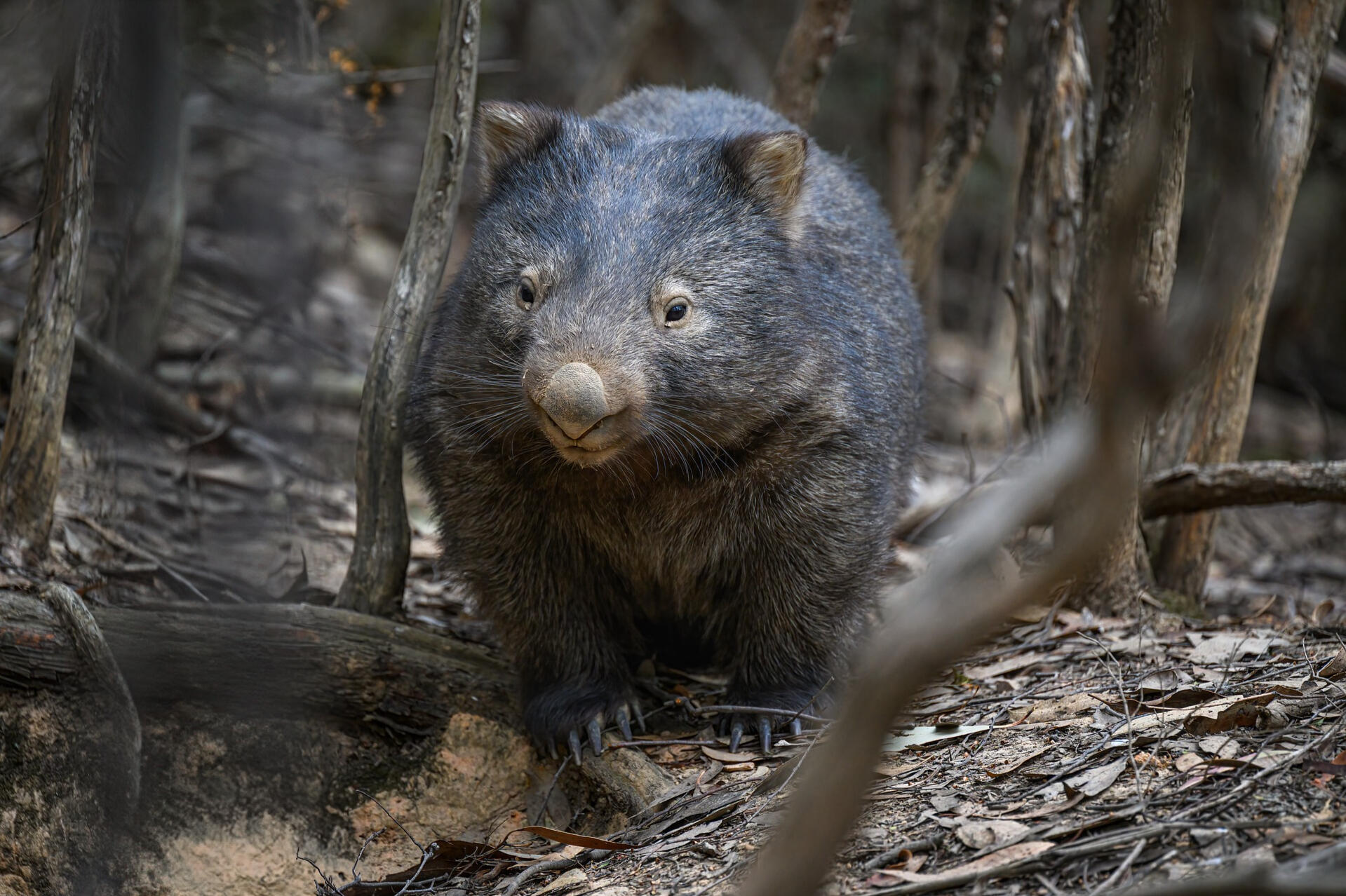
Wombats are sturdy, burrowing marsupials native to Australia. There are three recognised species: the Common Wombat (Vombatus ursinus), the Southern Hairy-nosed Wombat (Lasiorhinus latifrons), and the critically endangered Northern Hairy-nosed Wombat (Lasiorhinus krefftii). They are primarily nocturnal and spend much of their time in complex burrow systems that help regulate temperature and protect them from predators.Adult wombats can weigh between 20 and 35 kilograms and are built low to the ground with powerful shoulders and strong claws designed for digging. Their burrows can extend up to 30 metres and may include multiple entrances. These underground systems also provide shelter for other species during bushfires and extreme weather events, making wombats important ecosystem engineers.One of the most fascinating facts about wombats is their cube-shaped scat. Scientists believe this unique shape helps prevent droppings from rolling away, allowing wombats to mark territory effectively. Wombats have backward-facing pouches, which protect their young from soil while digging.Wombats are herbivores, feeding mainly on native grasses, roots, bark, and shrubs. They have slow metabolisms and can survive on relatively low-nutrient diets. In the wild, wombats may live up to 15 years, and even longer in protected environments.Although they appear gentle and slow, wombats can move surprisingly quickly over short distances and are capable of defending themselves effectively if threatened.
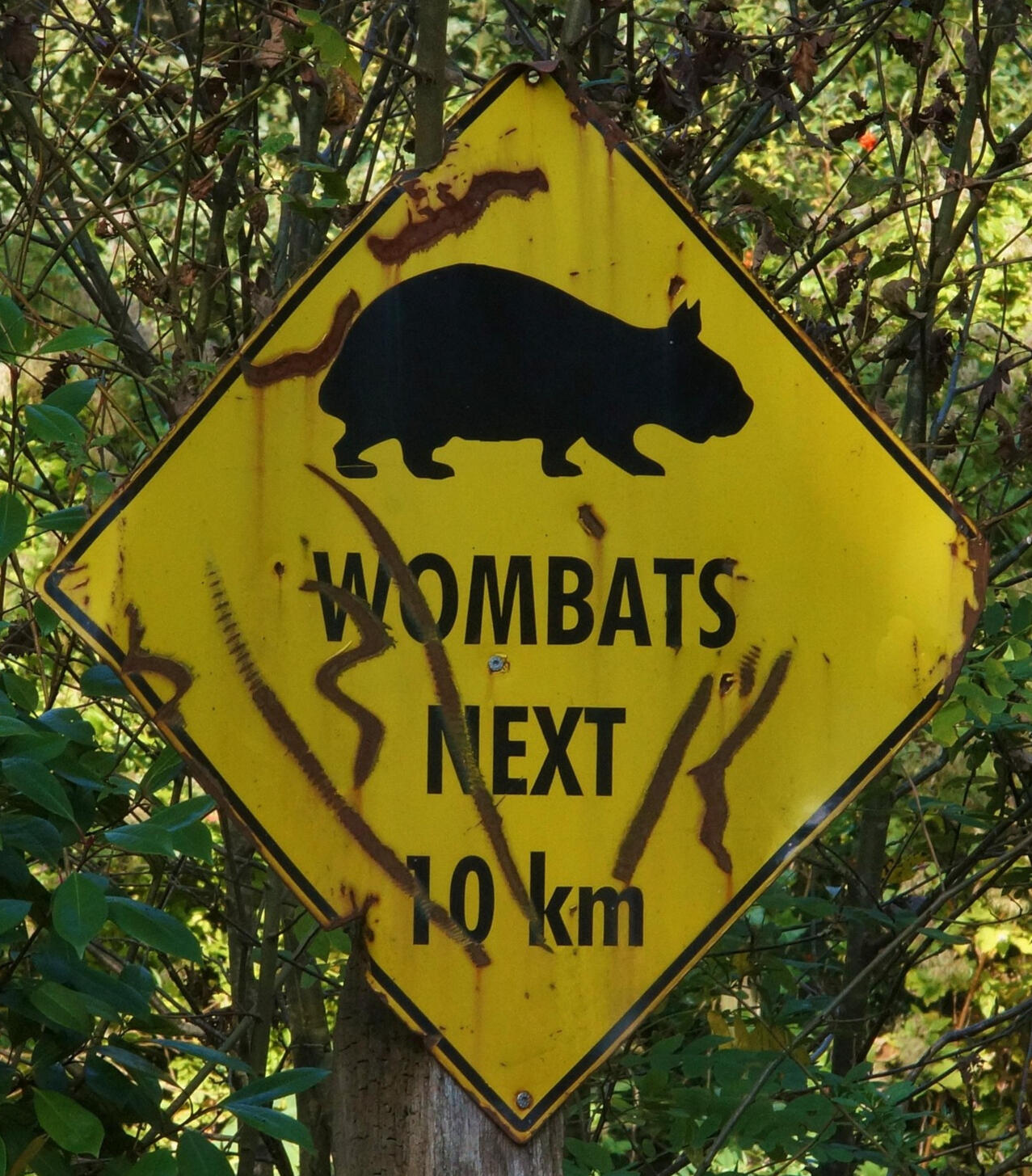
Risks Facing Wombats
Despite their resilience, wombats face growing pressures across Australia. Habitat loss is one of the most significant threats. Land clearing for agriculture, urban development, and infrastructure fragments their natural environment and disrupts burrow systems.Road collisions are another major cause of wombat mortality. As nocturnal animals, they are particularly vulnerable to vehicles at night. In rural areas, this remains one of the leading human-related threats to wombat populations.Disease also poses serious challenges. Sarcoptic mange, caused by parasitic mites, can severely weaken wombats by causing hair loss, skin thickening, and secondary infections. Left untreated, mange can be fatal. Community-based treatment programs have become increasingly important in managing outbreaks.Climate change adds further pressure. Drought conditions reduce food availability, while more intense bushfires can destroy habitat and burrow systems. Although burrows offer protection from fire, large-scale fires can alter ecosystems for years.In some areas, wombats are viewed as agricultural pests due to burrowing activity that may damage fences or grazing land. This perception can sometimes lead to conflict between landholders and wildlife conservation goals.Protecting wombats requires balancing agricultural needs, infrastructure planning, and environmental stewardship. With informed community awareness and practical solutions, coexistence is possible.
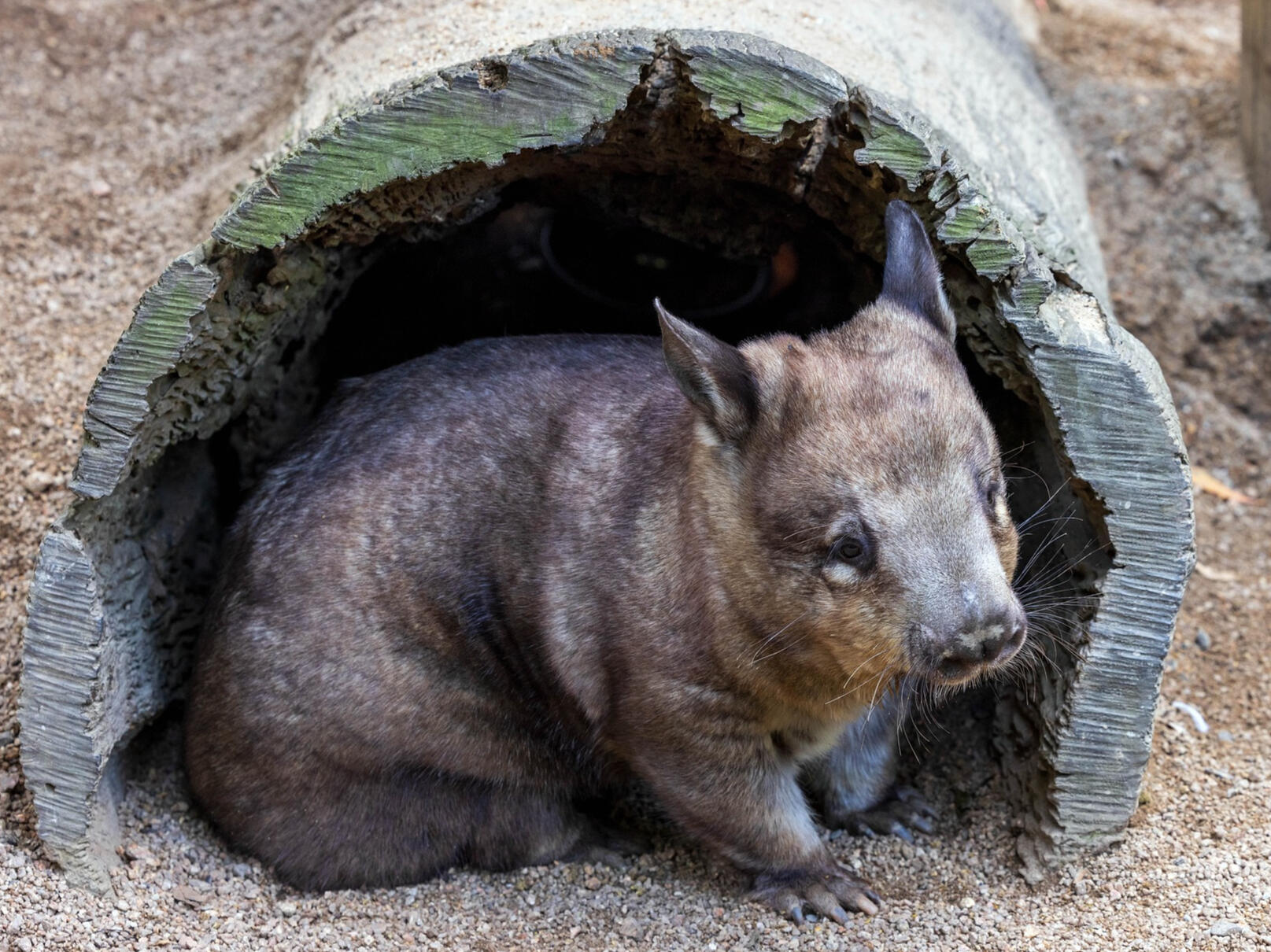
Conservation Efforts
Conservation work across Australia focuses on habitat protection, disease management, and population monitoring. The Northern Hairy-nosed Wombat, once thought extinct, is now the focus of intensive conservation programs involving protected reserves and predator-proof fencing.Wildlife carers and volunteer groups play a vital role in rescuing injured wombats, treating mange, and rehabilitating orphaned joeys. In many regions, local communities participate in reporting sightings and supporting monitoring initiatives.Habitat corridors are increasingly important. By connecting fragmented landscapes, these corridors allow wombats and other wildlife to move safely between feeding and breeding areas.Education is another cornerstone of conservation. When people understand wombats’ ecological importance and gentle nature, attitudes shift from conflict to coexistence. Practical steps such as wildlife-friendly fencing, responsible driving at night, and humane mange treatment can make a meaningful difference.Government agencies, landholders, researchers, and volunteers all contribute to ensuring wombats remain a thriving part of Australia’s biodiversity. Long-term success depends on continued research, habitat preservation, and public engagement.
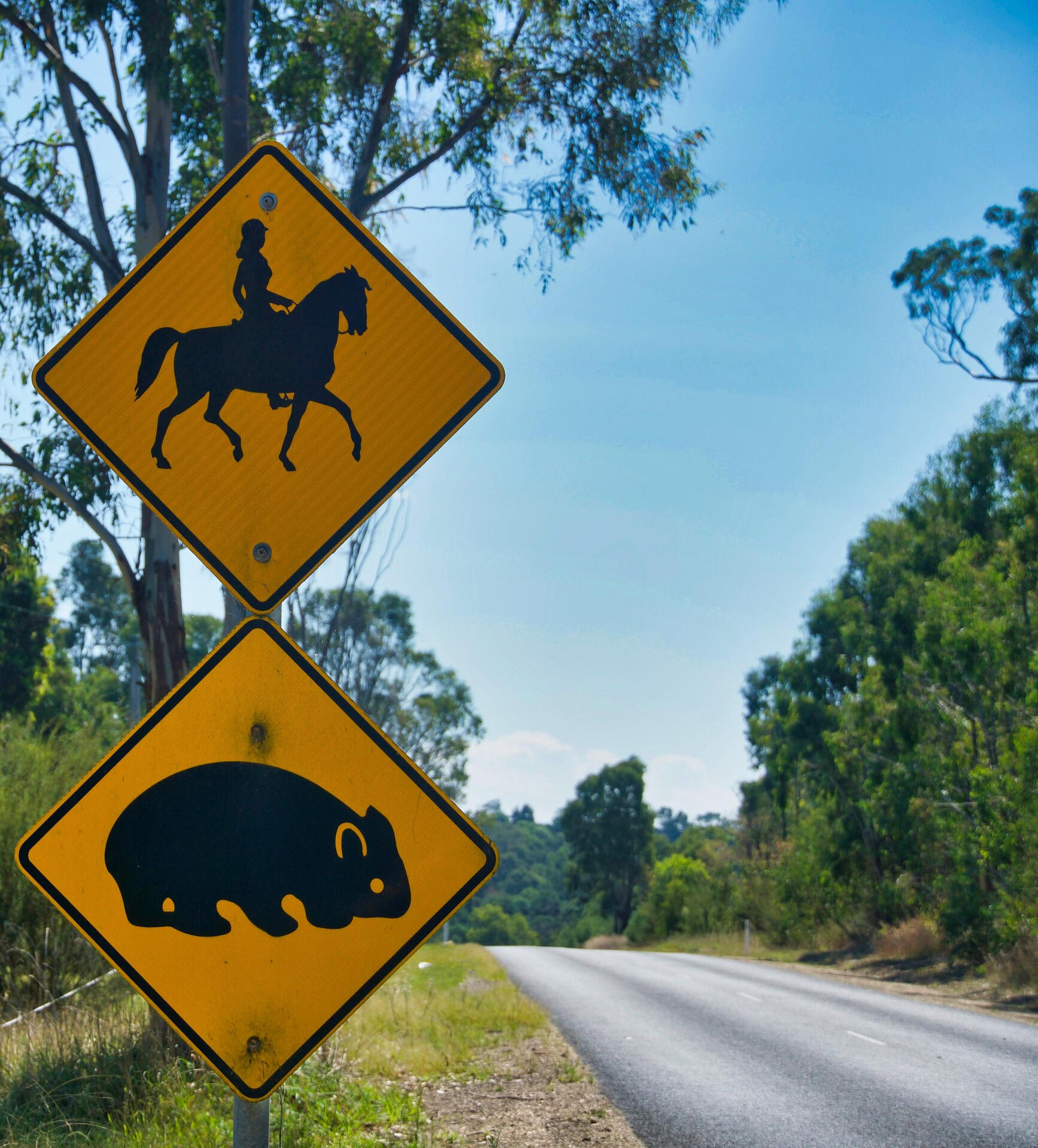
Australian Symbolism & Heritage
Wombats are deeply woven into Australia’s natural identity. As native marsupials found nowhere else on Earth, they represent the uniqueness and resilience of Australian wildlife.In Aboriginal and Torres Strait Islander cultures, wombats feature in Dreaming stories and traditional knowledge systems. They are often associated with strength, persistence, and connection to Country. Indigenous ecological understanding has long recognised the role wombats play in shaping landscapes through their burrowing.Nationally, wombats are often seen as symbols of grounded strength — solid, determined, and quietly enduring. Their sturdy build and calm nature reflect qualities many Australians admire: resilience, practicality, and independence.They also hold regional importance in parts of Tasmania, Victoria, New South Wales, South Australia, and Queensland, where they are part of local tourism identity and wildlife heritage.As Australia continues to grow and develop, preserving native species like the wombat is about more than biodiversity — it is about safeguarding cultural and environmental heritage for future generations.
Wombats in Popular Culture
Wombats have long captured the public imagination. In children’s literature, they are often portrayed as gentle, curious, and endearing characters. Classic Australian stories have helped introduce generations to these native animals.In modern media, wombats appear in wildlife documentaries, tourism campaigns, and educational programming. Their distinctive appearance and cube-shaped scat frequently spark curiosity and scientific discussion.Wombats are also popular mascots, plush toys, and symbols used in branding that celebrates Australian identity. Their stocky form and calm expression make them instantly recognisable.Beyond entertainment, wombats have inspired scientific research that has gained global attention, particularly studies exploring the mechanics behind their uniquely shaped droppings.Through books, media, science, and storytelling, wombats continue to hold a special place in Australian hearts. Their presence in popular culture helps maintain awareness, which ultimately supports
Contact Us
Thank You
We'll get back to you ASAP.